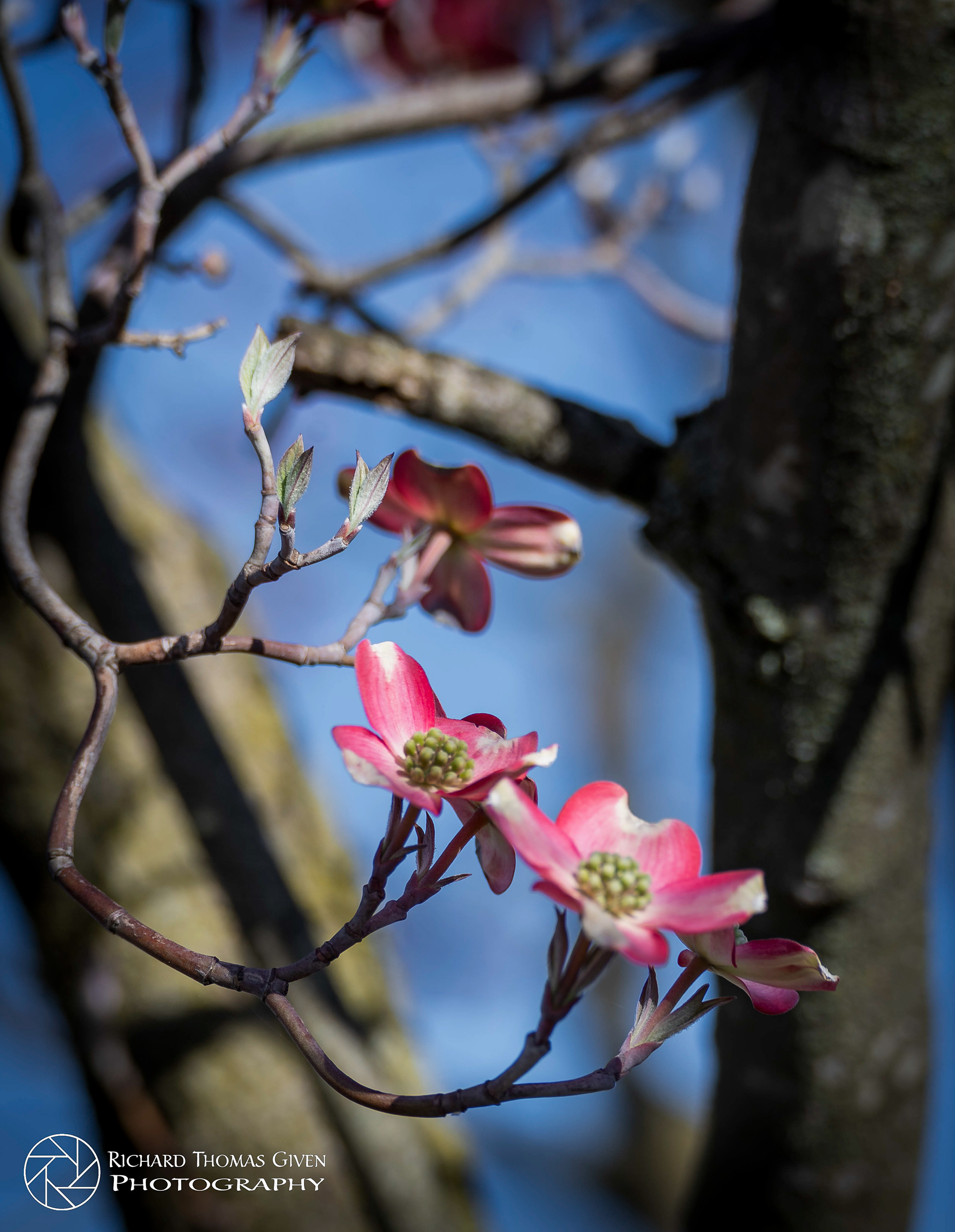
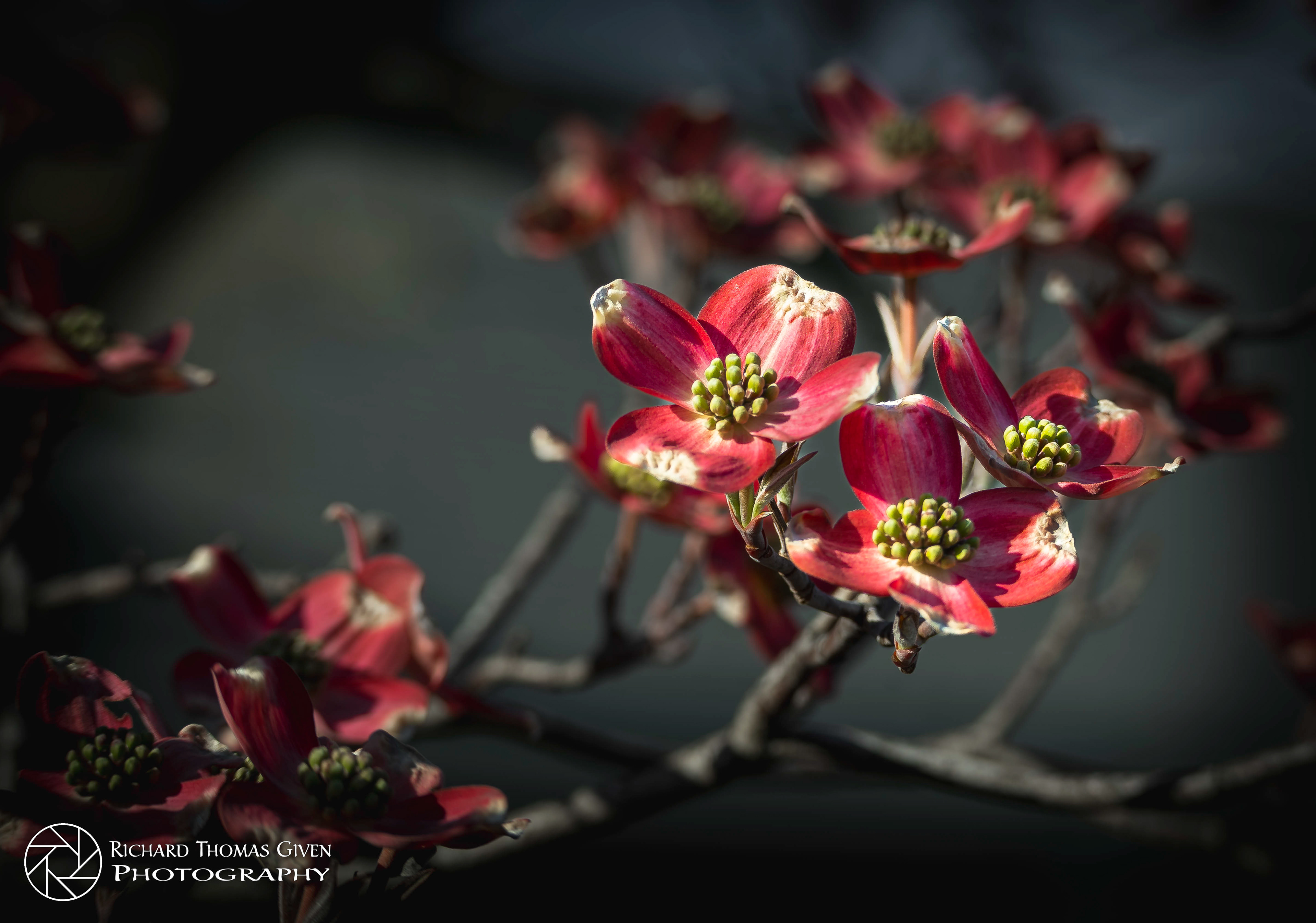
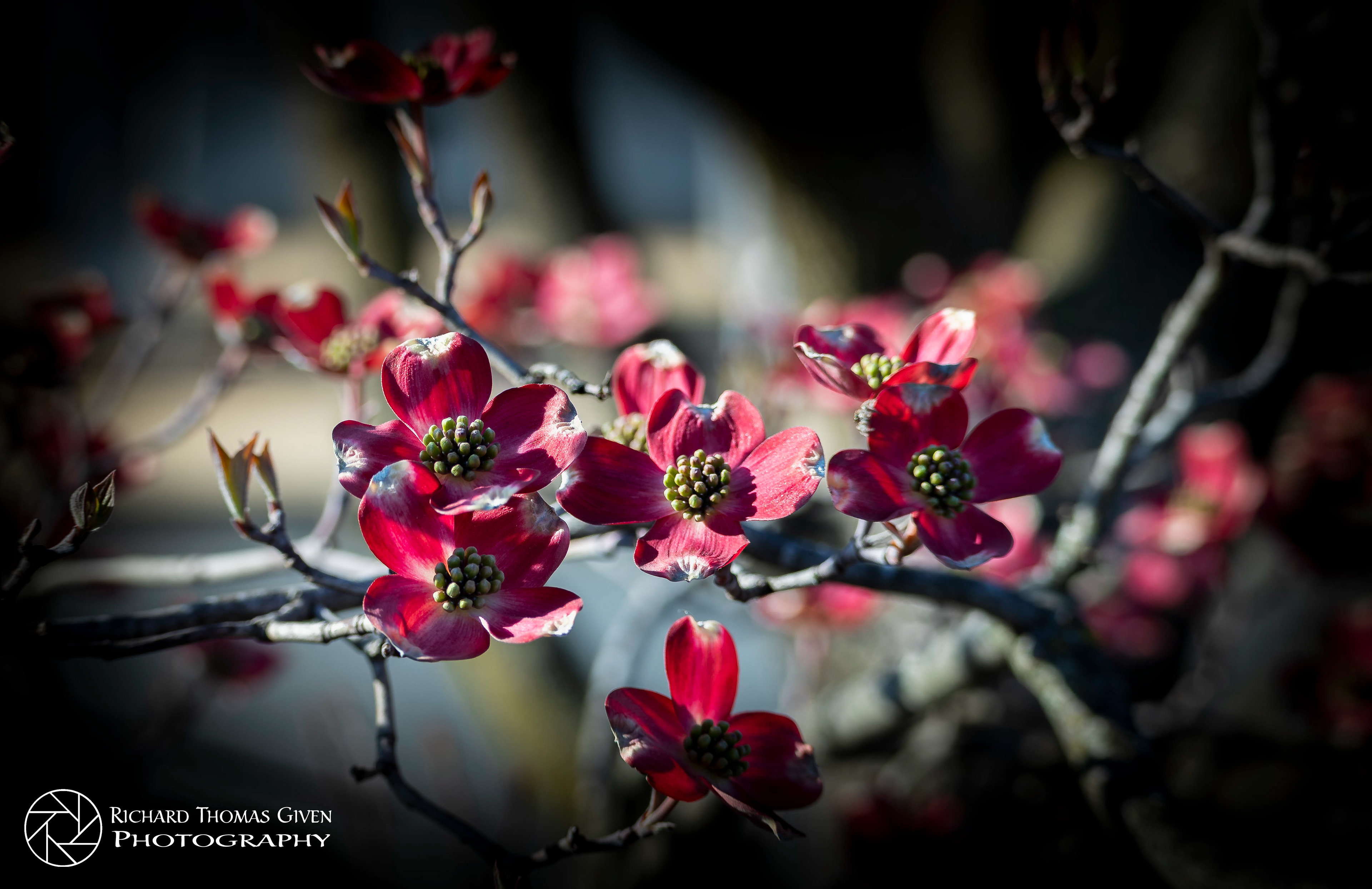
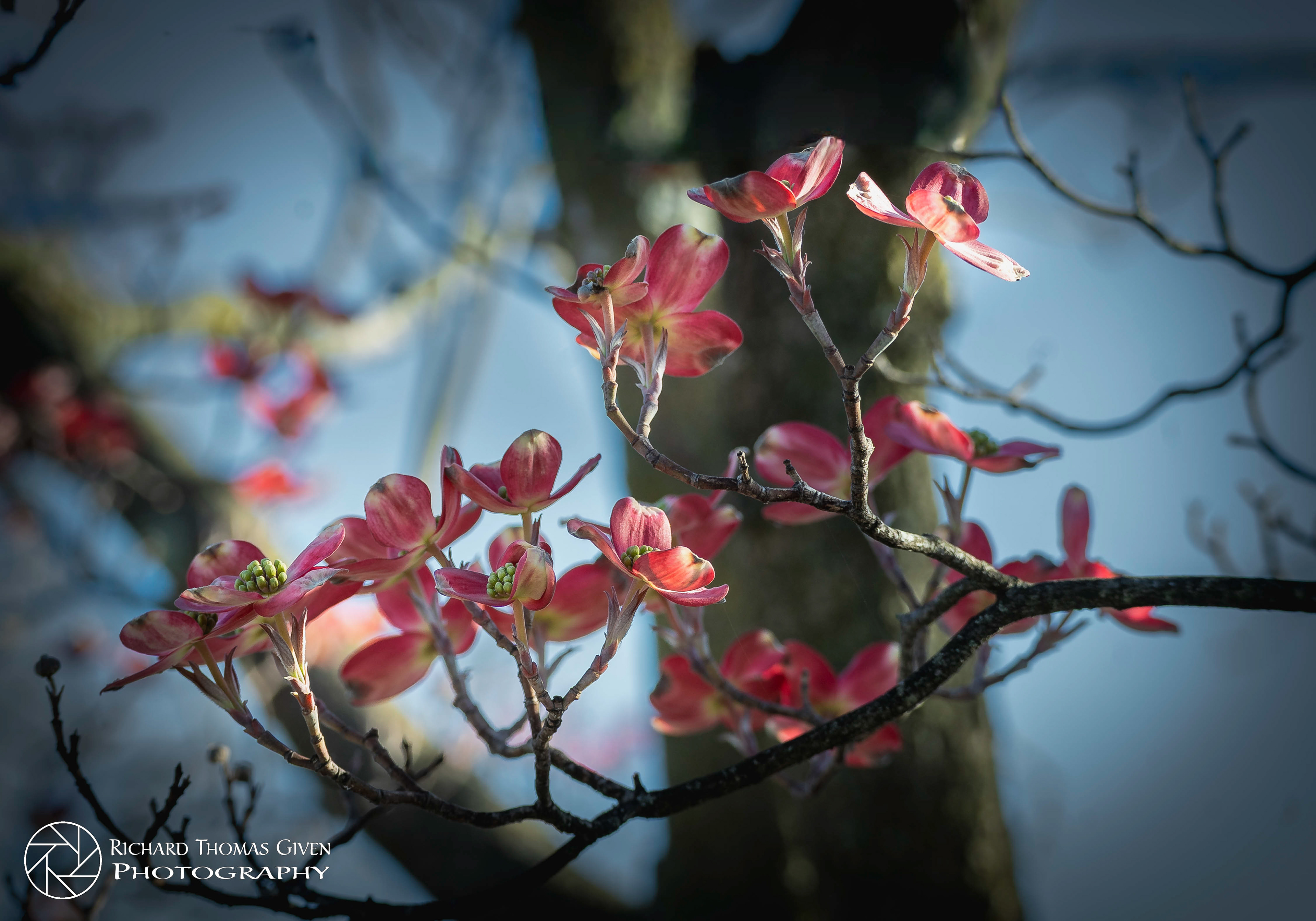
Pink and red dogwood varieties, most commonly cultivated forms of Cornus florida, bring a warm, expressive tone to the landscape. Their bracts range from soft blush pink to deep rose and even crimson, depending on the cultivar and growing conditions. These colors tend to intensify with proper sunlight and slightly acidic, well-drained soils. From a design perspective, pink and red dogwoods are often selected as focal or accent trees because they stand out against green backdrops and complement both formal and naturalistic garden designs. Their blooms can feel more dramatic than the species’ native white form, especially when planted in groups or viewed against darker evergreens.
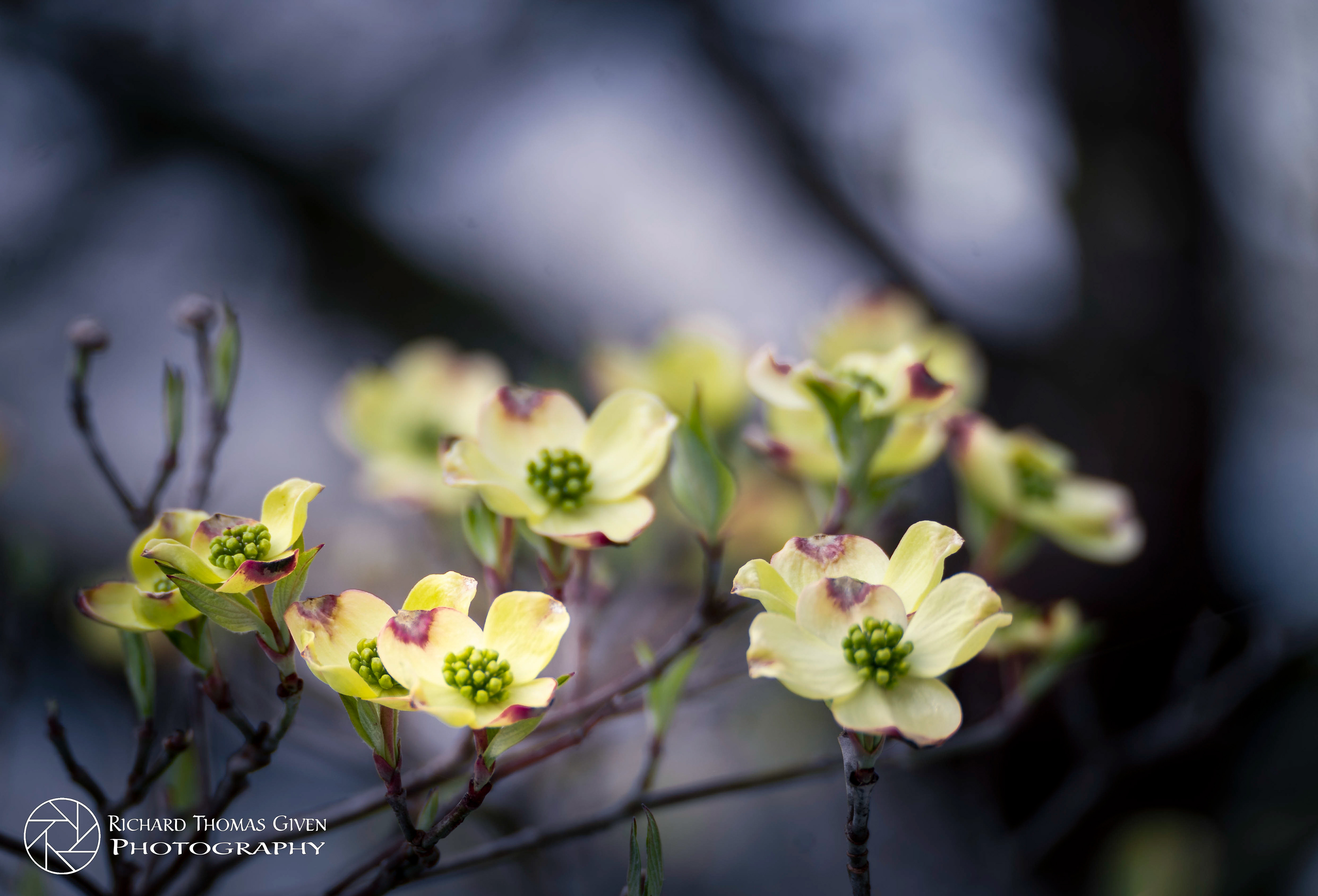
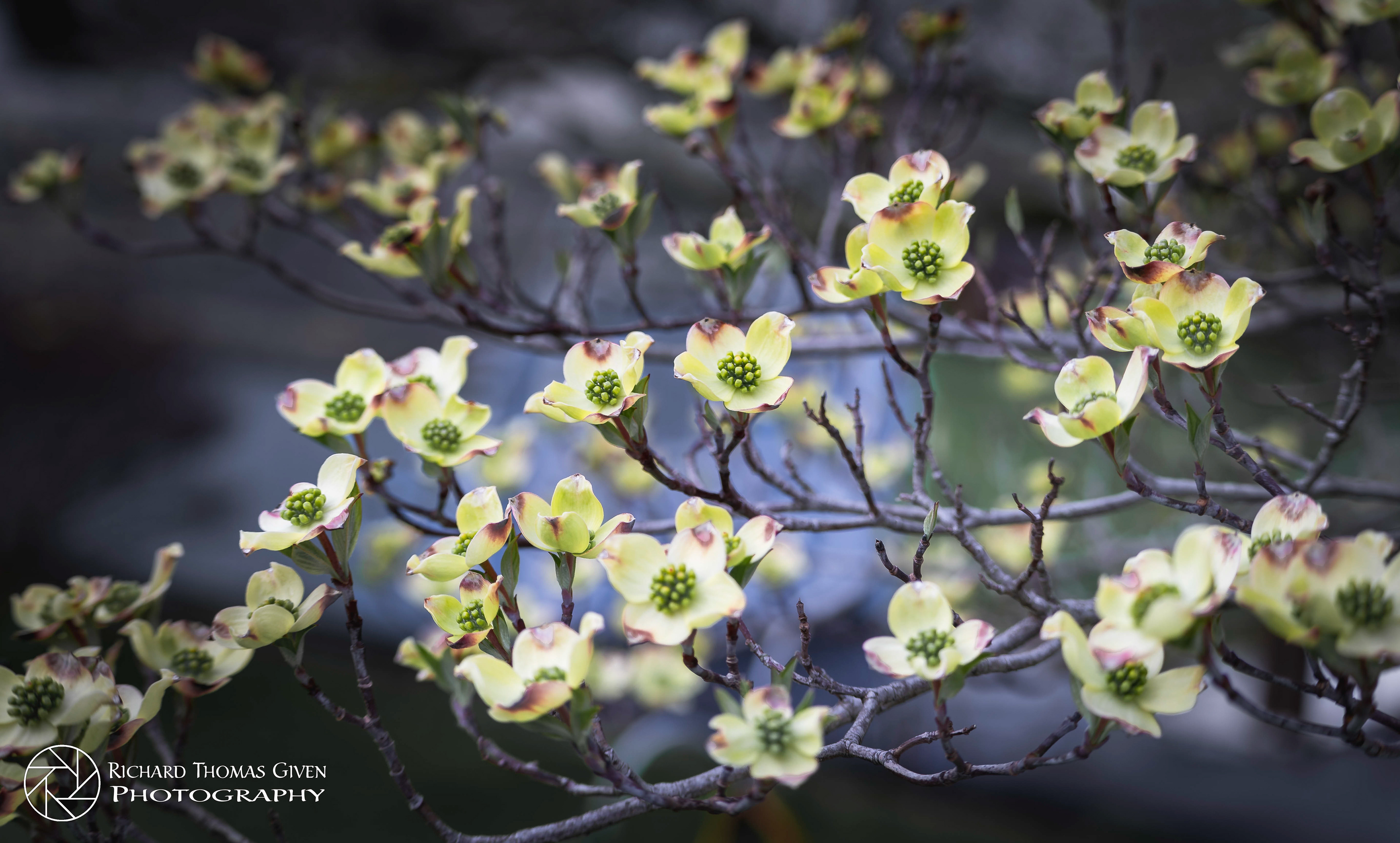
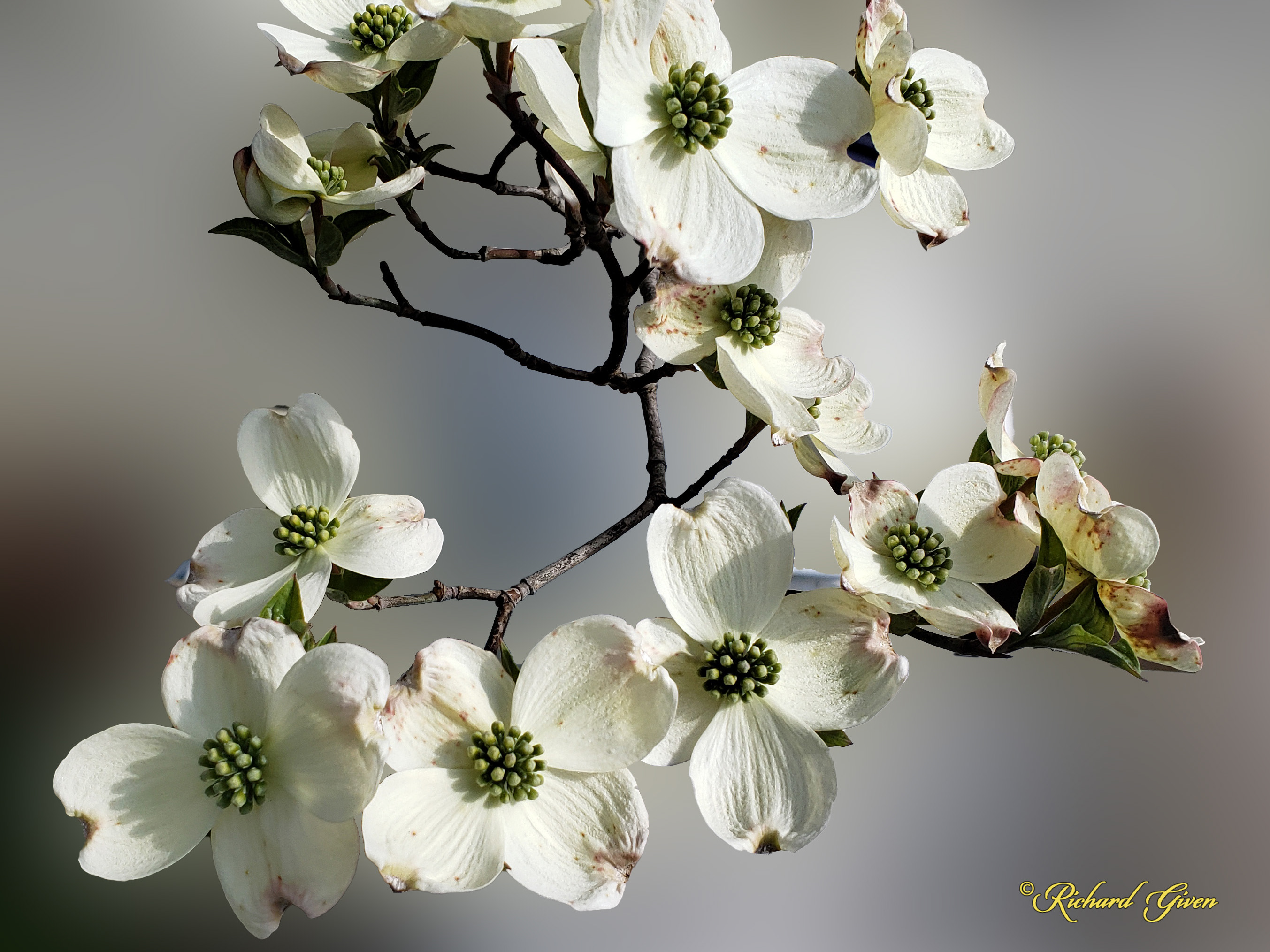
White dogwood blooms represent the classic and native expression of the species, particularly in eastern North America. The creamy white bracts create a clean, luminous effect in woodland settings, often appearing to glow in filtered light. These trees are especially effective when used in naturalized plantings, where they echo the understory conditions in which they evolved. White dogwoods also tend to emphasize the delicate structure of the bloom itself, drawing attention to the central cluster of true flowers and their role in pollination. Subtle yet striking, they offer a timeless aesthetic that pairs well with both wild landscapes and thoughtfully designed gardens.